Executive TL;DR:
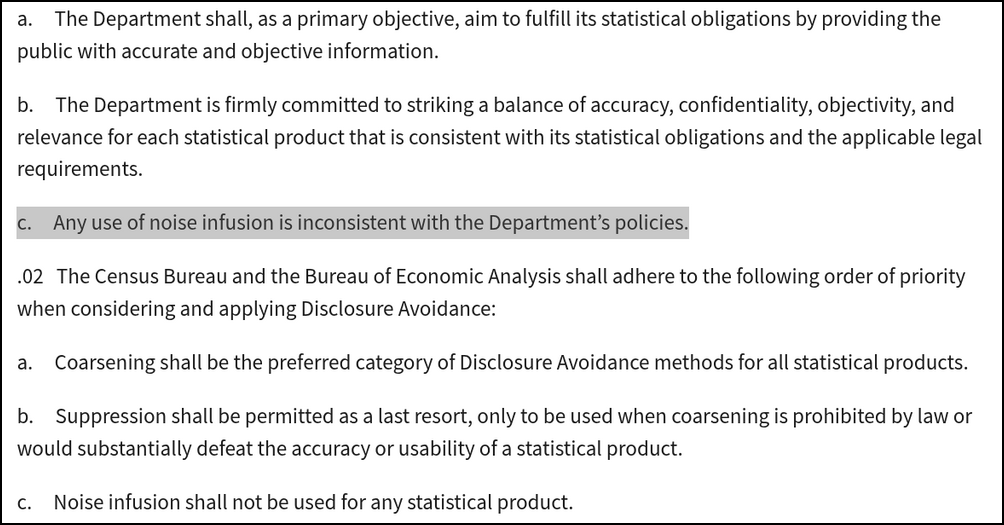
- The US has banned differential privacy in Census data.
- This decision has sparked a debate on the balance between data accuracy and individual privacy.
- Experts argue that this move may compromise the quality of Census data.
The Buzz Score
The Internet’s Verdict: 60% Concerned, 40% Indifferent
Expert Opinions
Some experts argue that publishing raw Census data can have severe consequences. As one expert notes:
The replies here arguing we should publish it all are wild in the worst kind of first-order thinking way. It’s a census: it just asks questions. If you start publishing and weaponizing the data against people with various attributes, they’ll just lie or not answer. And then you are left with worse than nothing: bad data people try to act on.
Others suggest that differential privacy can be added to the analysis instead. For instance:
Ban it from the dataset, add it to the analysis. You can choose your own flavor of noise. I don’t know what the political undertones are here, but at some level you need to have actual ground truth, including “this person/household declined”.
Conclusion
The debate surrounding Census data privacy highlights the challenges of balancing competing goals. As another expert points out:
Differential privacy makes this trade-off explicit, and thus impossible to ignore. Maybe banning it is a way of pretending that the problem doesn’t exist, in the hope that it will go away?
Focus Keyword: Census Privacy