Mario Meets Pareto: A Gaming Twist on Optimization
- Developers often face trade-offs between security and user experience.
- Pareto optimality helps identify when these trade-offs are truly necessary.
- Mario Kart speedruns demonstrate Pareto principles in action.
The Buzz Score
The Internet’s Verdict: 70% Hyped, 30% Skeptical
Understanding Pareto Optimality
One aspect for developers that I see quite often is the assertion that ‘We can’t have X without giving up more Y’, most commonly ‘we can’t have more security without giving up on user experience’.
With the Pareto idea in mind, we can see that that statement is true, if and only if you are in fact on the Pareto frontier of security and user experience already.
Making it more tricky is that in business, you can never discard ‘money’ as a dimension, so unless you’re taking ‘money’ as one of the dimensions in the original comparison you want to do, it sneaks its way in.
Real-World Applications
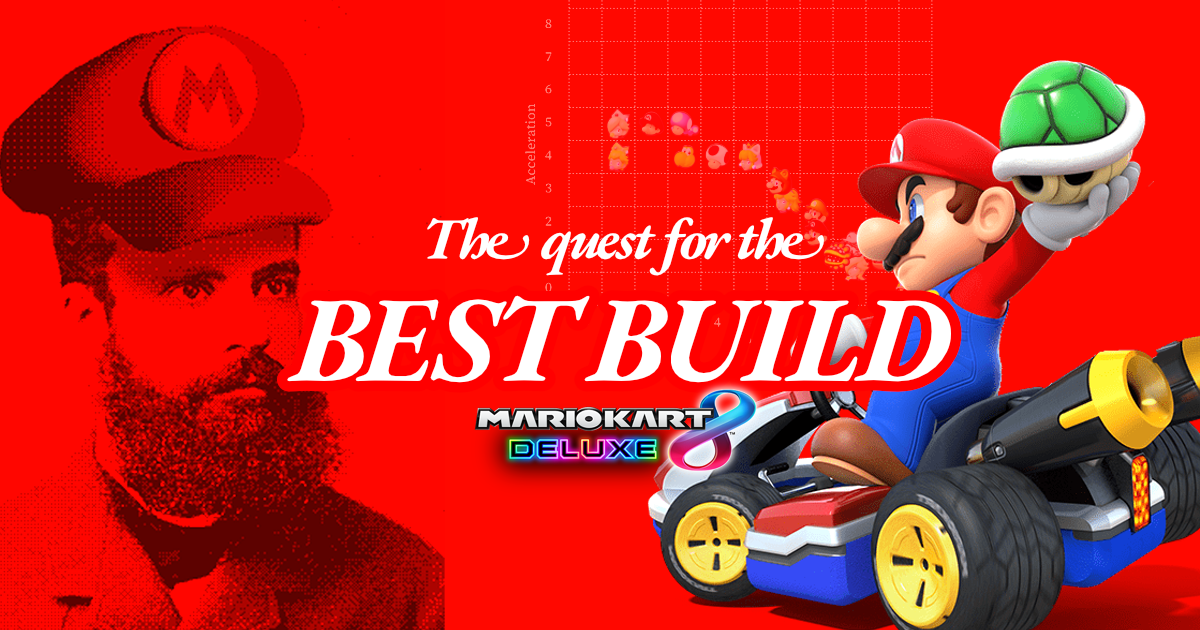
Even in Mario Kart, drivers are chosen based on their position on the Pareto frontier of speed and acceleration.
You probably won’t pick a driver sitting on the edge of the frontier because you want some balance between speed and acceleration for super mario kart speedruns go with bowser/dk.
This concept applies to many areas, including development and business decisions.
Focus Keyword: Pareto Optimality