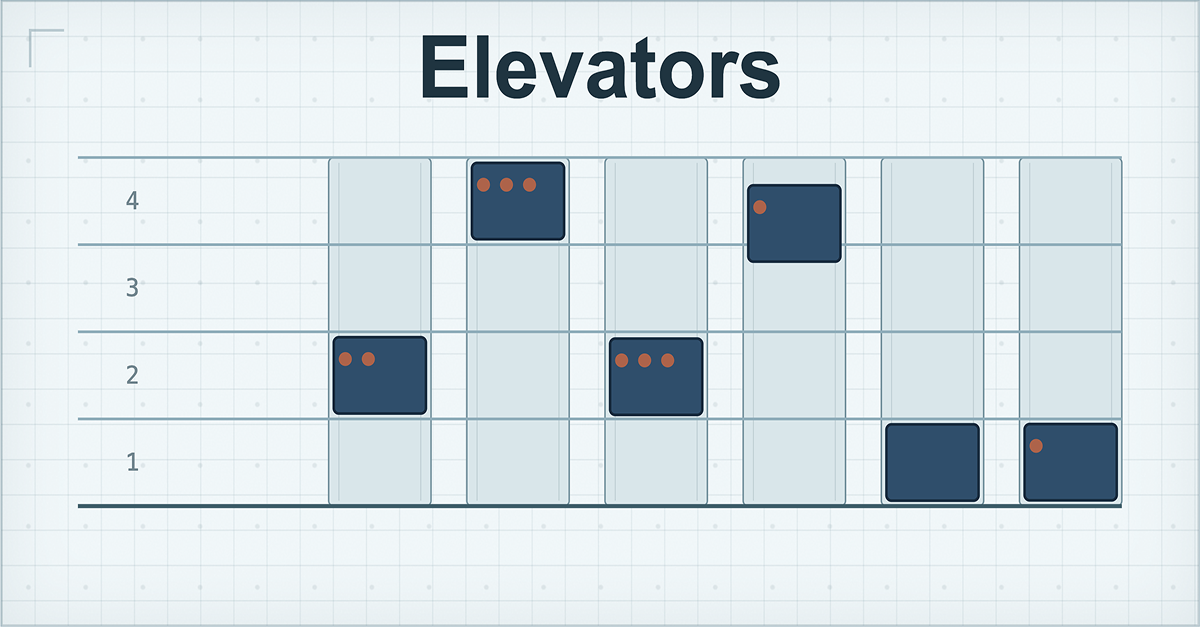
Elevator Algorithms: The Unsung Heroes of Vertical Transport
Executive TL;DR:
- Elevator algorithms optimize traffic flow and reduce wait times.
- Destination Dispatch systems excel in specific scenarios, such as lunch breaks.
- Simple user behavior, like pressing the correct button, can significantly improve elevator efficiency.
The Internet’s Verdict: 70% Hyped, 30% Skeptical
Understanding Elevator Algorithms
Elevator algorithms are designed to minimize wait times and optimize traffic flow. One user noted:
Back in highschool, simulating different elevator algorithms was one of the projects I implemented during my CS class. It wasn’t for the class — AP CS did not require anything like actual programming — but it was a fun project.
Destination Dispatch Systems
Destination Dispatch systems have their strengths and weaknesses. A user observed:
Destination Dispatch helps in this case because it’s batching large groups of people with the same destination.
However, they may not always be the most efficient choice.
Real-World Applications and Challenges
Developers face unique challenges when implementing elevator algorithms in games or real-world scenarios. A game developer shared:
Hah, I thought a lot about this problem while developing Sky Lobby, a mobile game about controlling and automating elevators.
Simple user behavior, like pressing the correct button, can significantly improve elevator efficiency. Unfortunately, this is not always the case, as one user lamented:
The biggest problem I always have with elevators is not the algorithm, it’s the people seemingly being unable to grasp the concept of pressing either the up or the down request button.
Focus Keyword: Elevator Systems