Executive Summary
- The dead economy theory suggests a significant shift in the global economy due to AI and automation.
- Countries like India and China are experiencing labor market transitions similar to those in the US and EU.
- The impact of AI on the economy and society is still being debated.
The Buzz Score
The Internet’s Verdict: 60% Concerned, 40% Optimistic
Introduction
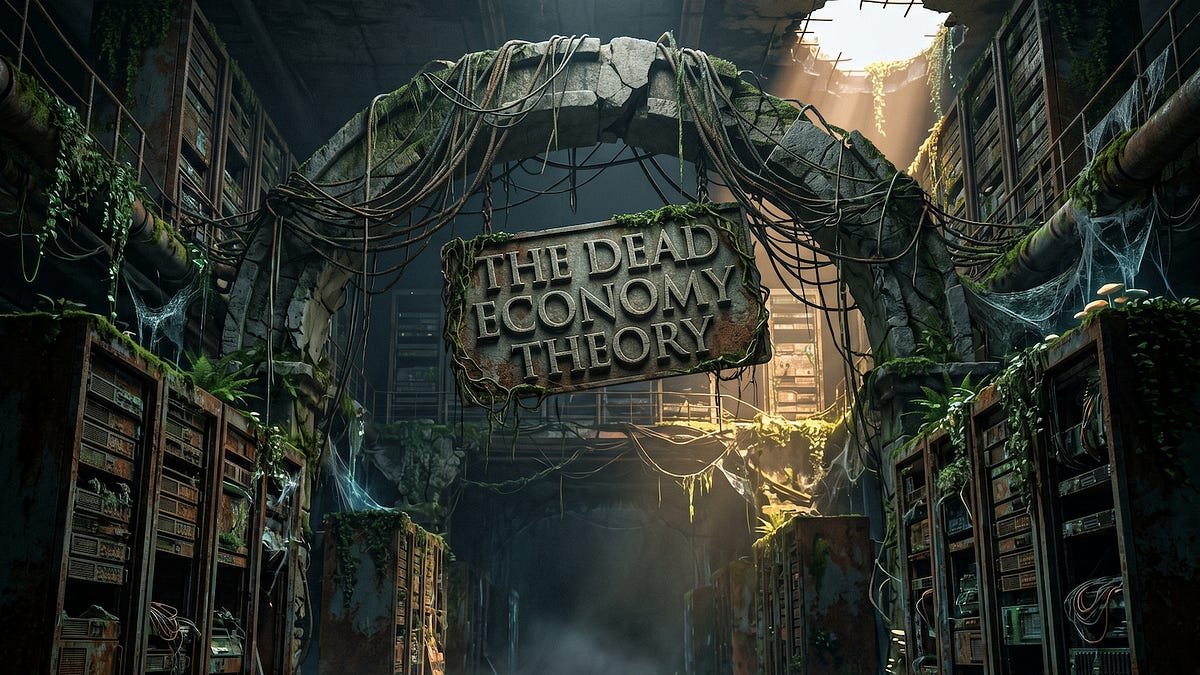
The dead economy theory has sparked intense discussions about the future of work and the economy.
Global Labor Market Transitions
India’s agricultural sector, for example, still employs 43% of the workforce, compared to under 2% in the US and 22% in China.
India has the problem with farming that the US is starting to have with AI. Farming in India is still far too labor intensive by world standards.
This transition is not unique to India, as many countries have undergone similar shifts in their labor markets.
Implications of AI on the Economy
The introduction of AI and automation has raised concerns about job displacement and the potential for a dead economy.
The assumption is that if you send people checks, they’ll find meaning in hobbies and community. They’ll paint. They’ll garden. They’ll finally write that novel.
However, some argue that this assumption may not hold true, and the consequences of a dead economy could be severe.
Conclusion
The dead economy theory is a complex and multifaceted issue, with varying opinions on its implications.
Instead, why don’t we try to protect human dignity and move towards a more humane future?
As the debate continues, one thing is clear: the impact of AI on the economy and society will be significant, and it is essential to consider the potential consequences.
Focus Keyword: Dead Economy