Executive Summary
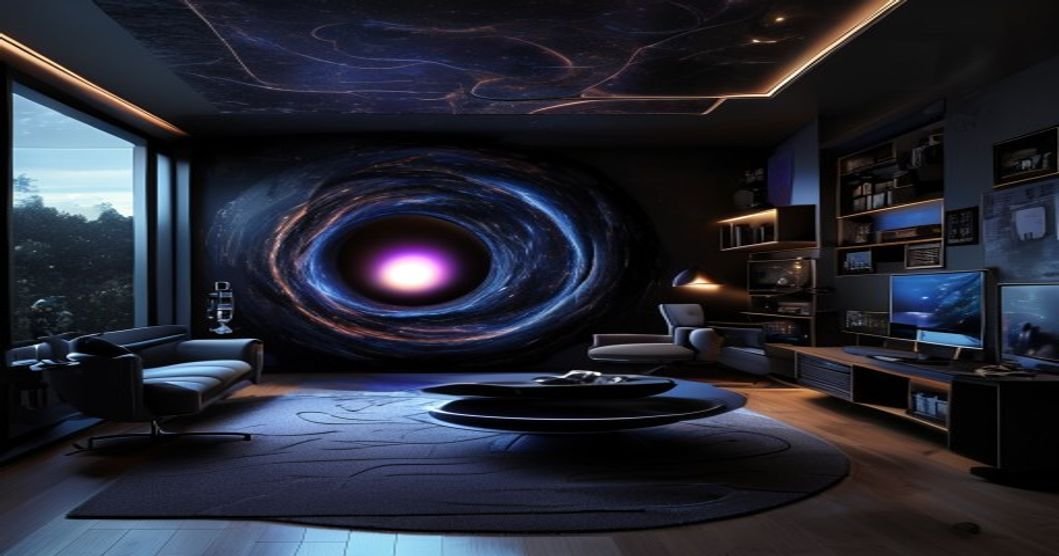
- Physically accurate black hole simulation sparks interest and debate
- Simulation has several physical limitations and inaccuracies
- Experts and users discuss the implications and potential of the simulation
The Buzz Score
The Internet’s Verdict: 70% Hyped, 30% Skeptical
Expert Analysis
Experts have pointed out several limitations of the simulation, including its simplified radiative transfer and inaccurate doppler shifting.
It’s a bit of a pet peeve of mine that people present these sims as being very physically accurate, when they contain major inaccuracies, some of which are very obvious and/or deliberate.
Users have also shared their experiences and reactions to the simulation, ranging from fascination to fear.
I remember like 10 years ago when Occulus first came out there was that space simulation demo where you could go around the solar system in VR. You could also ‘fast travel’ by zooming in towards a planet, moon, blackhole. Yeah, that was the day I learned I have a deep, crippling phobia of large objects. And Melanoheliophobia, which is fear of black holes.
User Reactions
Some users have noted the simulation’s potential for educational and entertainment purposes, while others have criticized its limitations and inaccuracies.
Overall, the simulation has sparked a lively debate and discussion among experts and users alike.
Focus Keyword: Black Hole